Practicing with a pianist and learning how your part fits with the piano is vital for successful performances. This is especially true when you are memorizing a concerto. However, it isn’t always practical to have access to a live pianist for the amount of practice hours required for preparing to perform from memory. Over the years, I have used MIDI Files and SmartMusic for practicing with accompaniments. These are effective tools for practice, especially when the piece maintains a consistent tempo. Works such as the Debussy Rhapsody and many others, which are full of tempo changes and require a great deal of sensitivity, are more difficult to practice with computer accompaniments.
YouTube to the rescue. Here are three YouTube channels that provide many accompaniments of standard pieces, with recordings of live pianists.
Color Is The Piano
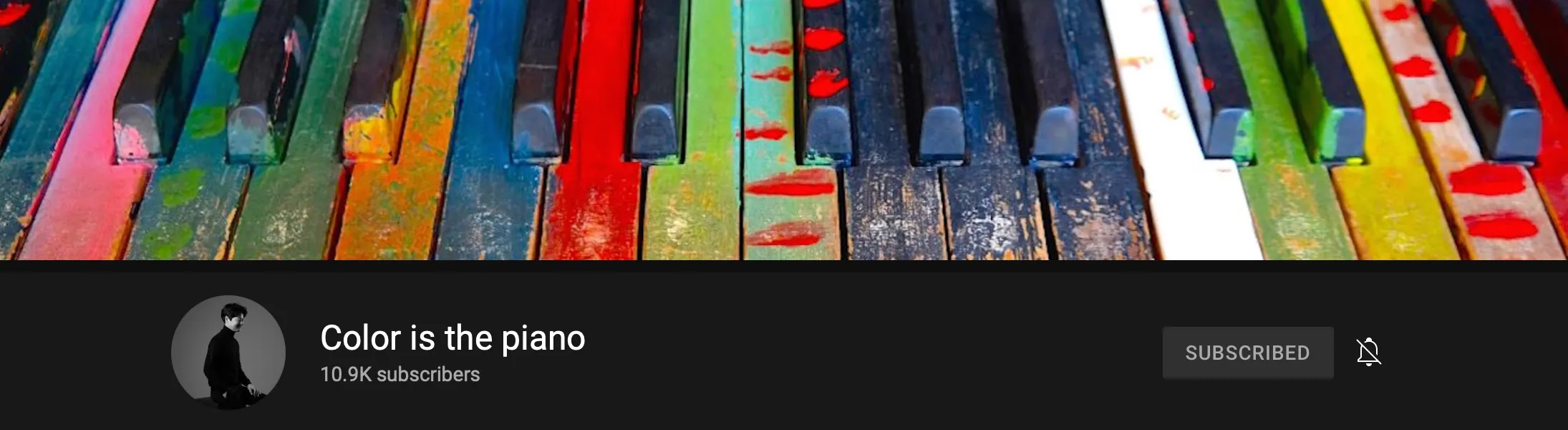
With over 700 accompaniments for a variety of instruments, Color is the piano contains many of the standard works for clarinet, flute, bassoon, cello, voice, viola, etc… Playlists are available for finding works for specific instruments. The clarinet and flute playlists are the most complete with 284 accompaniments for clarinet and 225 for flute. The titles include the specific metronome markings that are performed.
PaMus — musical accompaniments

PaMus — musical accompaniments is unique in that in addition to providing audio for the piano parts, the video also shows the sheet music for the solo part. This is helpful if you are trying to find a specific section of the music to practice. This channel also has playlists for finding music for a specific instrument, including:
- Clarinet (606)
- Trombone (217)
- Flute (180)
- Saxophone (163)
- Violin (59)
- Tuba (32)
Mohamed Shams

Mohamed Shams’ YouTube playlist Play With Shams is exclusively focused on clarinet repertoire, with 136 accompaniment videos. All of the 136 videos would be considered standard clarinet works. One unique aspect of this channel, is that for certain movements and pieces, multiple videos are included at a slower practice tempo.
Changing Tempos
One advantage MIDI accompaniments and SmartMusic has over YouTube is how easy it is to change the tempo of a piece for practicing, as well as looping specific sections of a piece. This is not impossible to do with YouTube videos, but requires a bit of audio editing and file manipulation.
Here is my process for adjusting the tempo of YouTube tracks:
- Download the YouTube video with Downie.1
- Open the downloaded video file with QuickTime Player to extract the audio. (Choose “File — Export…As Audio Only”
- Open the audio file in Studio One or Pro Tools.2
- Change the tempo of the audio to match the project tempo.
- Export as an mp3 file for practicing.